Hasiera> ikuskizunen zerrenda
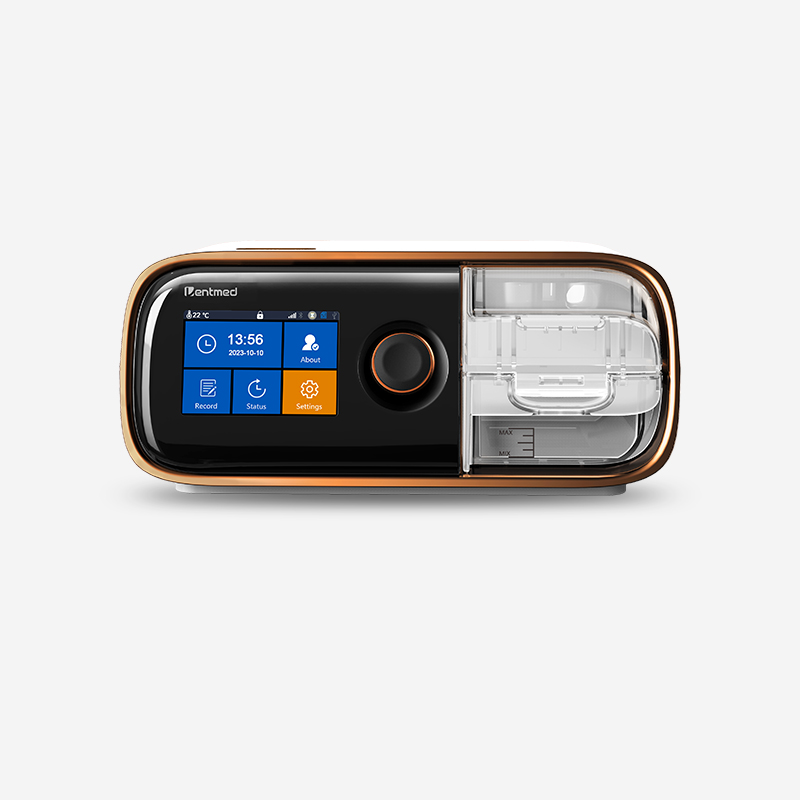
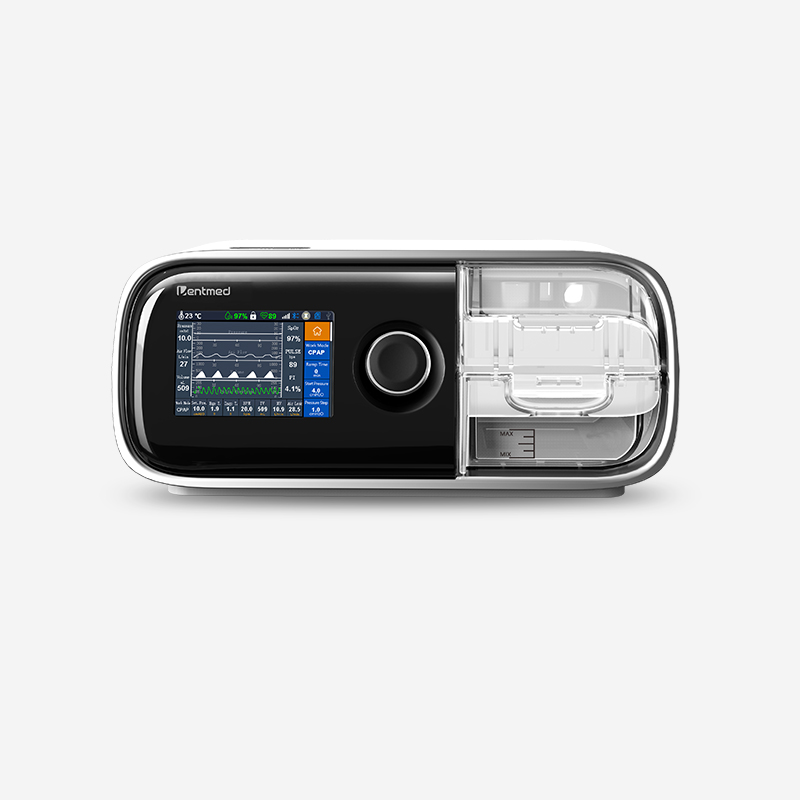
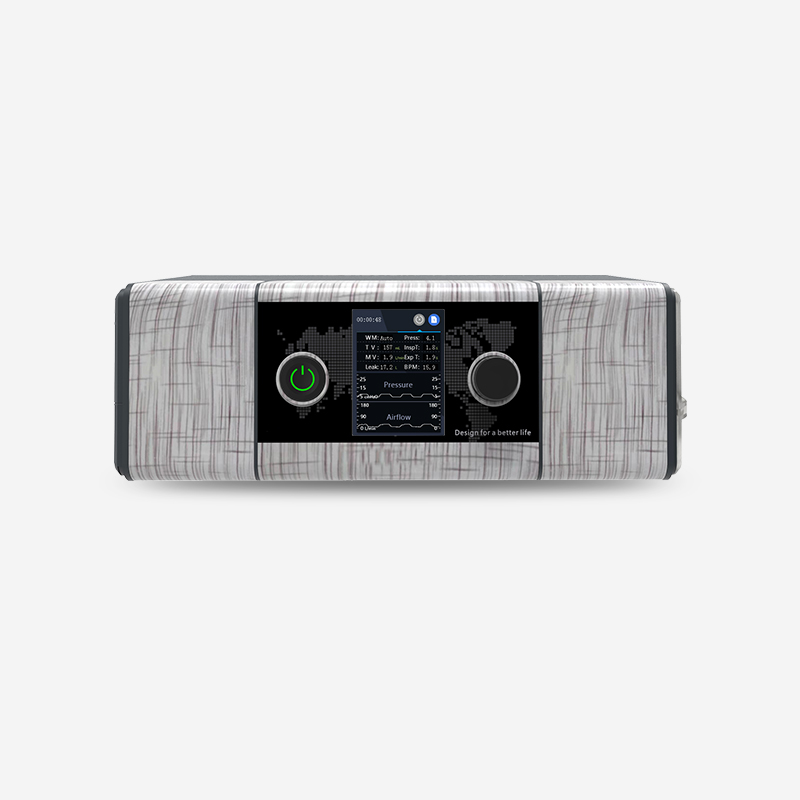
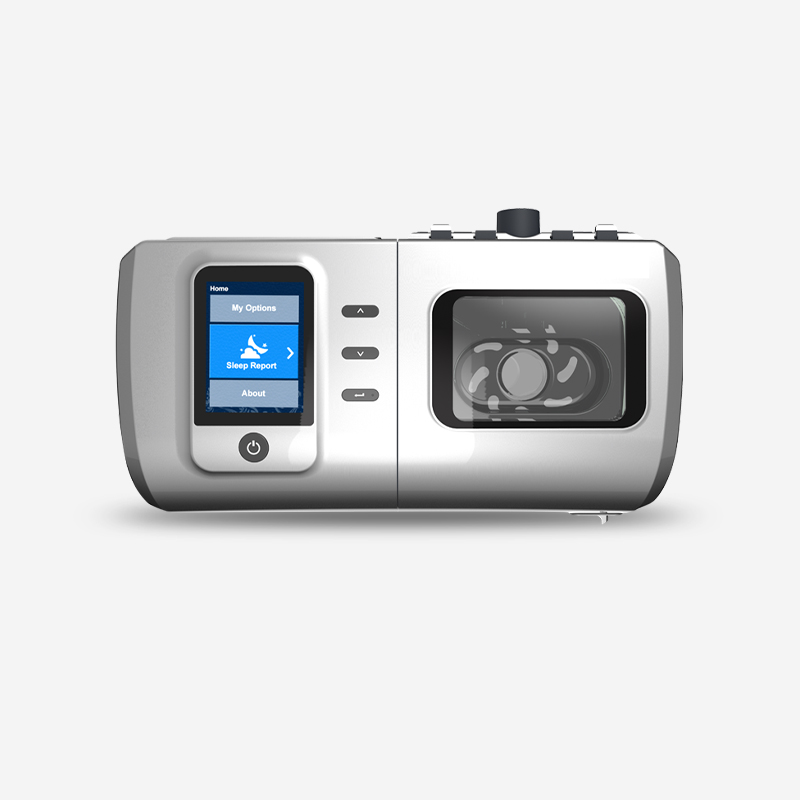
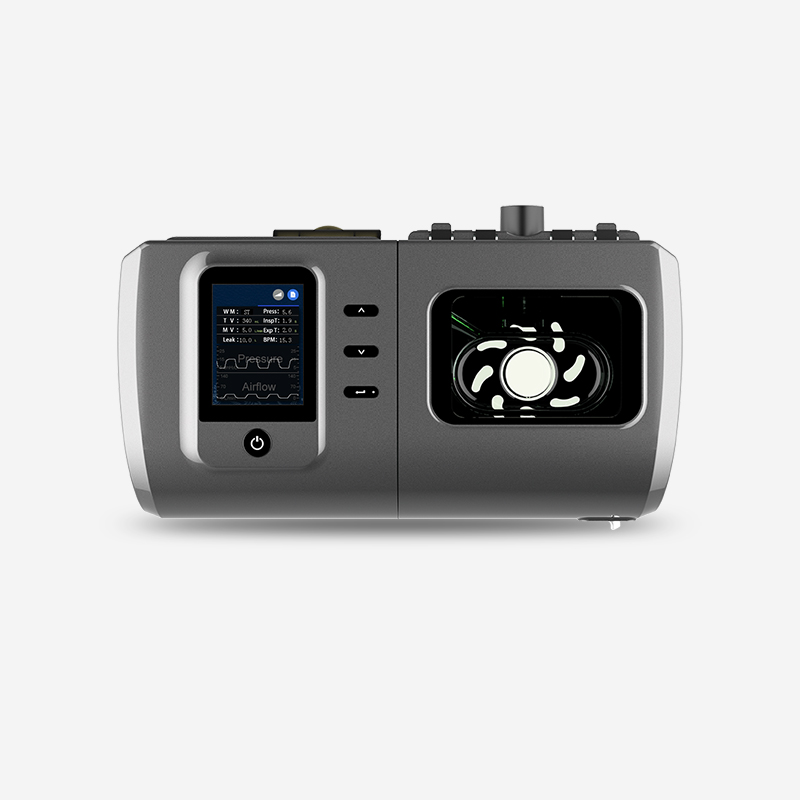
Understanding the basics of BiPAP ventilation: bi pap maskara is a form of breathing support that is particularly helpful for patients who require higher pressure support or have trouble breathing on their own. It’s short for “Bilevel Positive Airway Pressure,” so the machine blows air through a mask at two different air pressure levels — higher levels when you breathe in and lower levels when you breathe out.
Image Aiding breathing with BiPAP ventilation : When someone is struggling for breath, the person’s lungs may not be able to get in enough air. BiPAP ventilation helps by giving the lungs the added support they require to take in oxygen and expel carbon dioxide. That can help people breathe better and feel better.
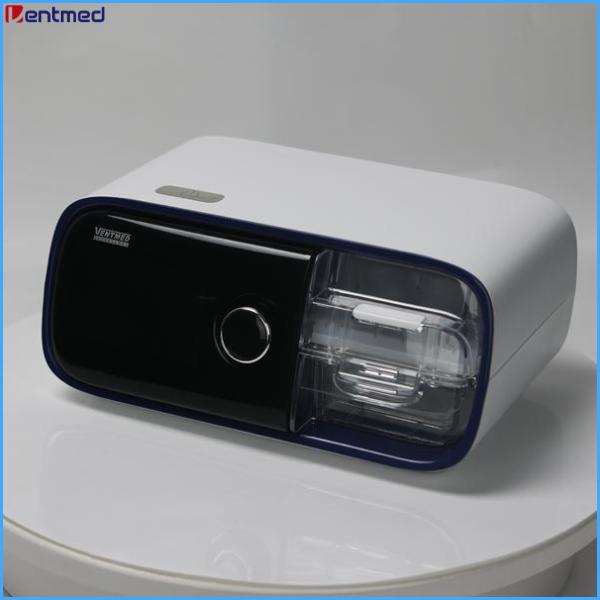
When BiPAP ventilation is effective for people with respiratory issues: Bipap aireztapen mekanikoa can help patients with respiratory conditions such as sleep apnea, chronic obstructive pulmonary disease (COPD) or pneumonia. It could allow for an easier breath, relieve them of the effort of breath, and give them oxygen in their bodies. This may lead to better sleep, more energy and an overall better quality of life.
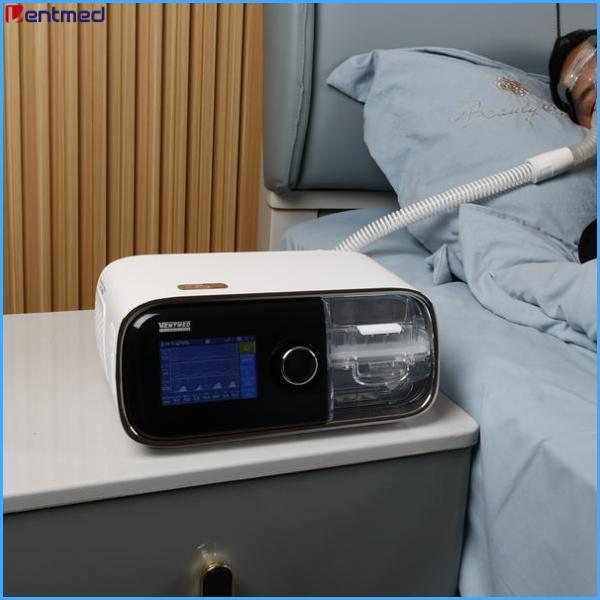
How to use global BiPAP ventilation instrumentThe correct method of using BiPAP ventilation equipment If you want to use BiPAP ventilation equipment with greater efficiency, you have to use it correctly. Mask up snugly The mask should be placed over your nose and mouth, fitting securely against the sides of your face. Then adjust the operation pressure as required like the air pressure. Lastly use the machine as recommended by your physician, just keep it charged and ready to go, and use it, use it, use it, and reap the benefits.
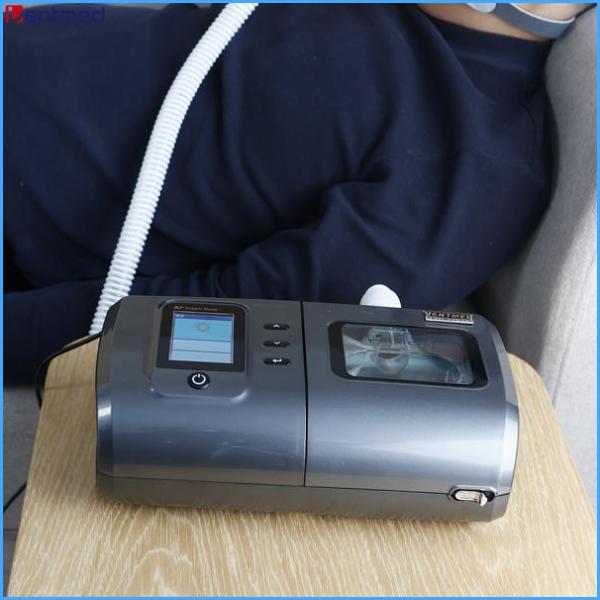
Ikuspegi orokorra nola bi pap aireztapena manages sleep apnea: Sleep apnea is a sleep disorder characterized by the stopping and restarting of breathing of a person during sleep. BiPAP ventilation helps keep the airway and airflow open, preventing these breath pauses. This may enhance the quality of sleep in general and reduce the risk of complications from untreated sleep apnea.

 EN
EN  EN
EN AR
AR BG
BG CS
CS DA
DA FR
FR DE
DE EL
EL IT
IT PL
PL PT
PT RU
RU ES
ES ID
ID LT
LT SR
SR SK
SK SL
SL SQ
SQ ET
ET HU
HU TH
TH MS
MS MK
MK HY
HY AZ
AZ