Hasiera> ikuskizunen zerrenda
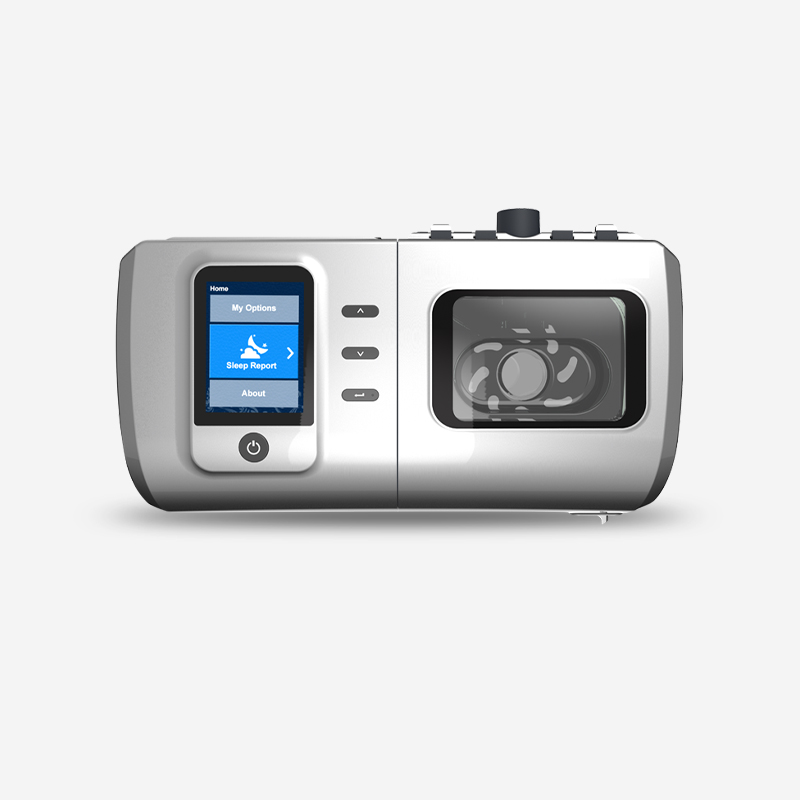
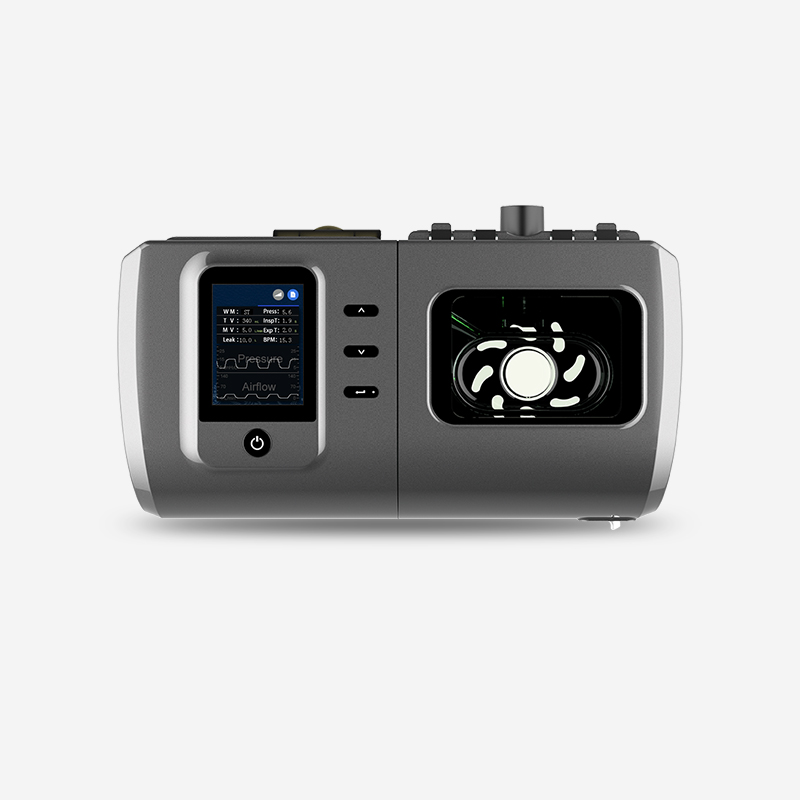
Respiratory ventilators are critical devices that enable individuals to breathe when they cannot do so themselves. These machines can help patients with breathing problems by pushing air and oxygen into their lungs and assisting the removal of carbon dioxide from the body. Courtesy of Owen Temby “Managing ventilators is a must for healthcare providers in order to provide patients with the right oxygen and support they need,” Owen Temby said. Ventmed is a business that focuses in importing premium quality arnasketa-maskarak for critical ill patients.
If a person is extremely ill and unable to breathe properly without assistance, a medical ventilator can provide that if the person is now too weak to do the work of breathing themselves. This device delivers oxygen to the patient's lungs via a tube inserted into the mouth or nose. The ventilator also helps clear away carbon dioxide from the body, a waste product that we have to eliminate. Not having a ventilator can mean a patient with severe breathing trouble might not get enough oxygen, and we know how dangerous that can be.
State-of-the-art therapy for patients with arnasketa-arnasgailu insufficiency is provided by respiratory ventilators. Such machines have sensors to monitor how fast and how deeply a patient is breathing. According to this information, the ventilator can change the amount of oxygen it delivers to the patient so they receive adequate amounts. Ventilators also come with settings that allow doctors and nurses to tailor the support to the needs of a patient. This lifesaving technology is key in healing patients from illnesses or injuries which hinder their breathing.
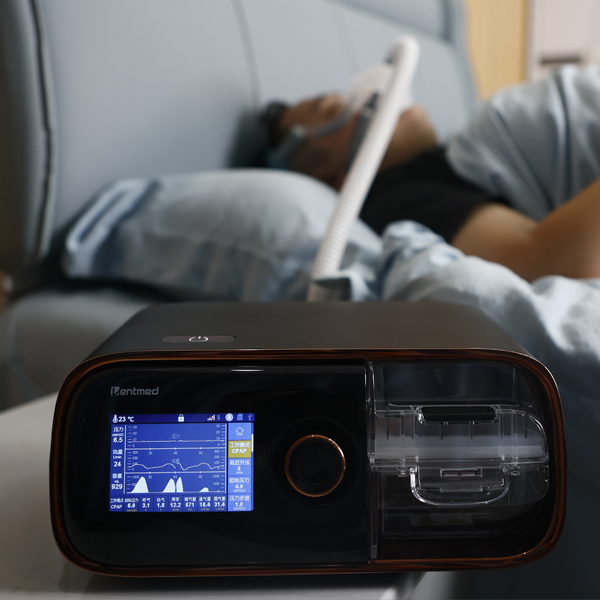
For patients with infections like pneumonia, asthma or chest injuries it may be difficult to breathe as they should. Those who do struggle to breathe or need additional assistance can receive support from ventilators to help them get enough oxygen in and remove carbon dioxide from their lungs. They can be employed for a short time in an emergency situation or over a longer term in an intensive care unit. Ventilators make it easier for patients to breathe while their bodies fight off illness or recover from an injury.
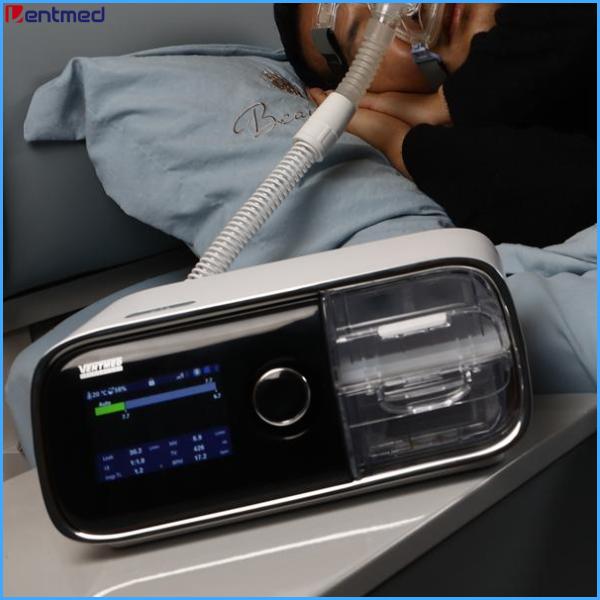
Good management of ventilators in a hospital is crucial to ensuring that patients receive the right amount of support. Patients on a ventilator must be closely watched by providers to ensure they are responding to the treatment plan. They must also closely monitor the settings on the ventilator to make sure it is providing the appropriate amount of oxygen. Ventmed offers training and support for health workers to care for their patients and manage the ventilators well.
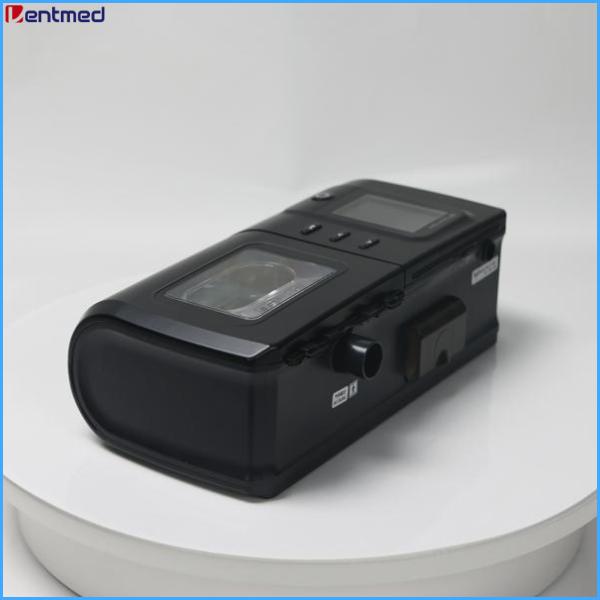
Although ventilators can be lifesaving for patients with damaged lung function, using them also presents its own complications. If tubes or masks associated with ventilators are uncomfortable, or if hygeine measures aren't used, patients can get infections. Healthcare workers also need to account for the possible long-term negative consequences of ventilator use, including muscle atrophy. Notwithstanding these obstacles, Arnasketa-laguntzako gailuak therapy significantly contributes the saving of lives and assisting patients to recover from severe respiratory disorders.

 EN
EN  EN
EN AR
AR BG
BG CS
CS DA
DA FR
FR DE
DE EL
EL IT
IT PL
PL PT
PT RU
RU ES
ES ID
ID LT
LT SR
SR SK
SK SL
SL SQ
SQ ET
ET HU
HU TH
TH MS
MS MK
MK HY
HY AZ
AZ